Certificate offer
Free
- Credits
- 1
- Range
- 300 m
- Coords
- 39.92, 116.40
About this place
Why this destination matters
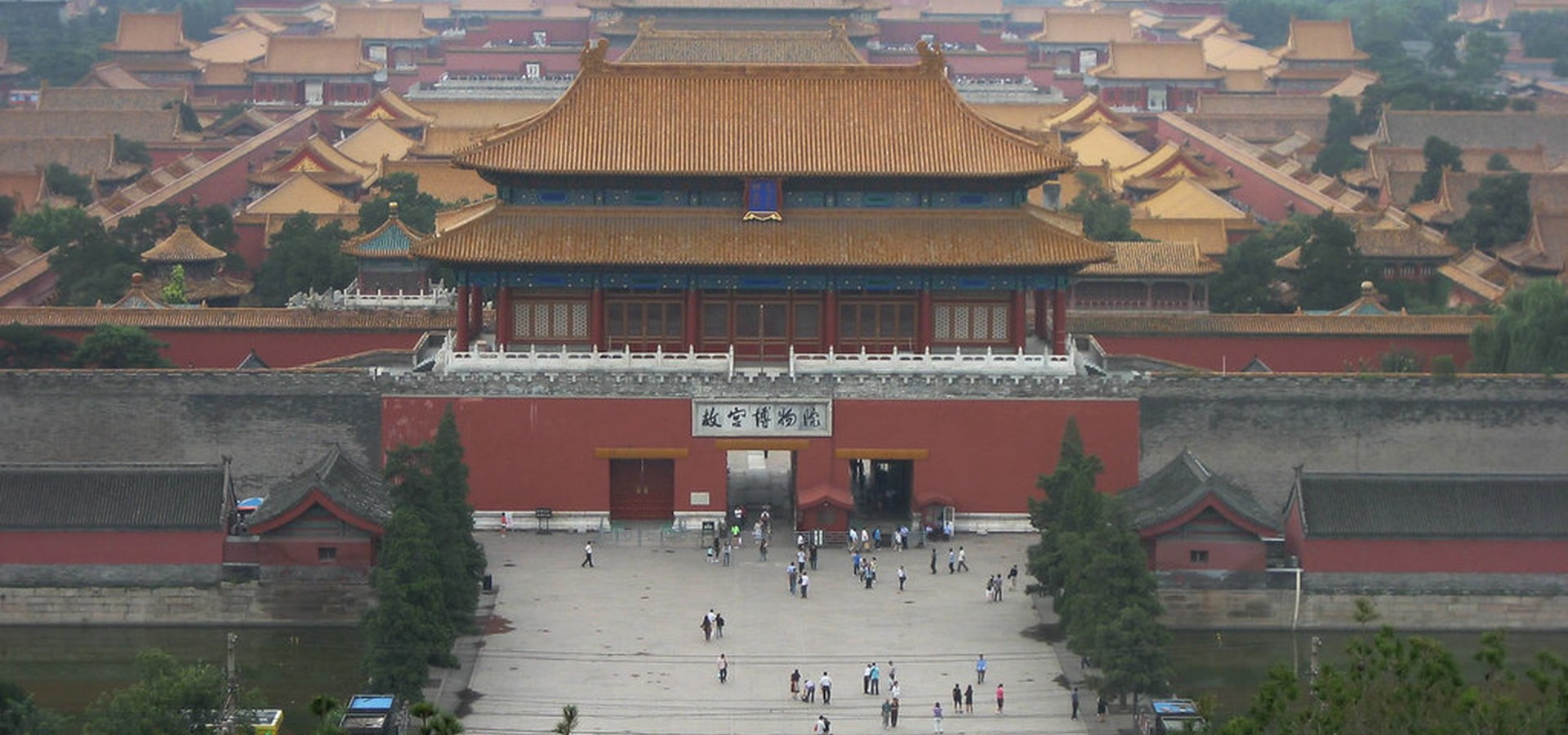
The Forbidden City is one of the most significant cultural and historical landmarks in China. Built in the early 15th century during the Ming Dynasty, this vast complex served as the imperial palace for 24 Chinese emperors. Spanning over 180 acres, it contains nearly 1,000 buildings, all featuring traditional Chinese palatial architecture with iconic yellow roofs and red walls. The entire palace was enclosed and off-limits to the public for centuries, which is why it is referred to as the "Forbidden City." The layout of the Forbidden City is a prime example of ancient Chinese cosmological and architectural design. The palace’s design follows a strict layout of symmetry, with the primary buildings placed along a north-south axis. This layout symbolized the emperor's supreme power, believed to be the "Son of Heaven," ruling over everything under the sky. Visitors today are amazed by its grand courtyards, intricate carvings, and the impressive Hall of Supreme Harmony, the tallest structure within the complex. After the fall of the Qing Dynasty in 1912, the Forbidden City was converted into a museum, now called the Palace Museum, showcasing a vast collection of Chinese artifacts, including imperial treasures, paintings, ceramics, and historical manuscripts. Today, it remains a UNESCO World Heritage site and one of the most visited museums in the world, offering an unparalleled glimpse into China's imperial history.
Location proof
GPS check within 300 m of the landmark.
Personal certificate
A downloadable PDF with your name, destination, and unique number.
Shareable public record
A public page (and QR link) that confirms the visit without exposing payment details.